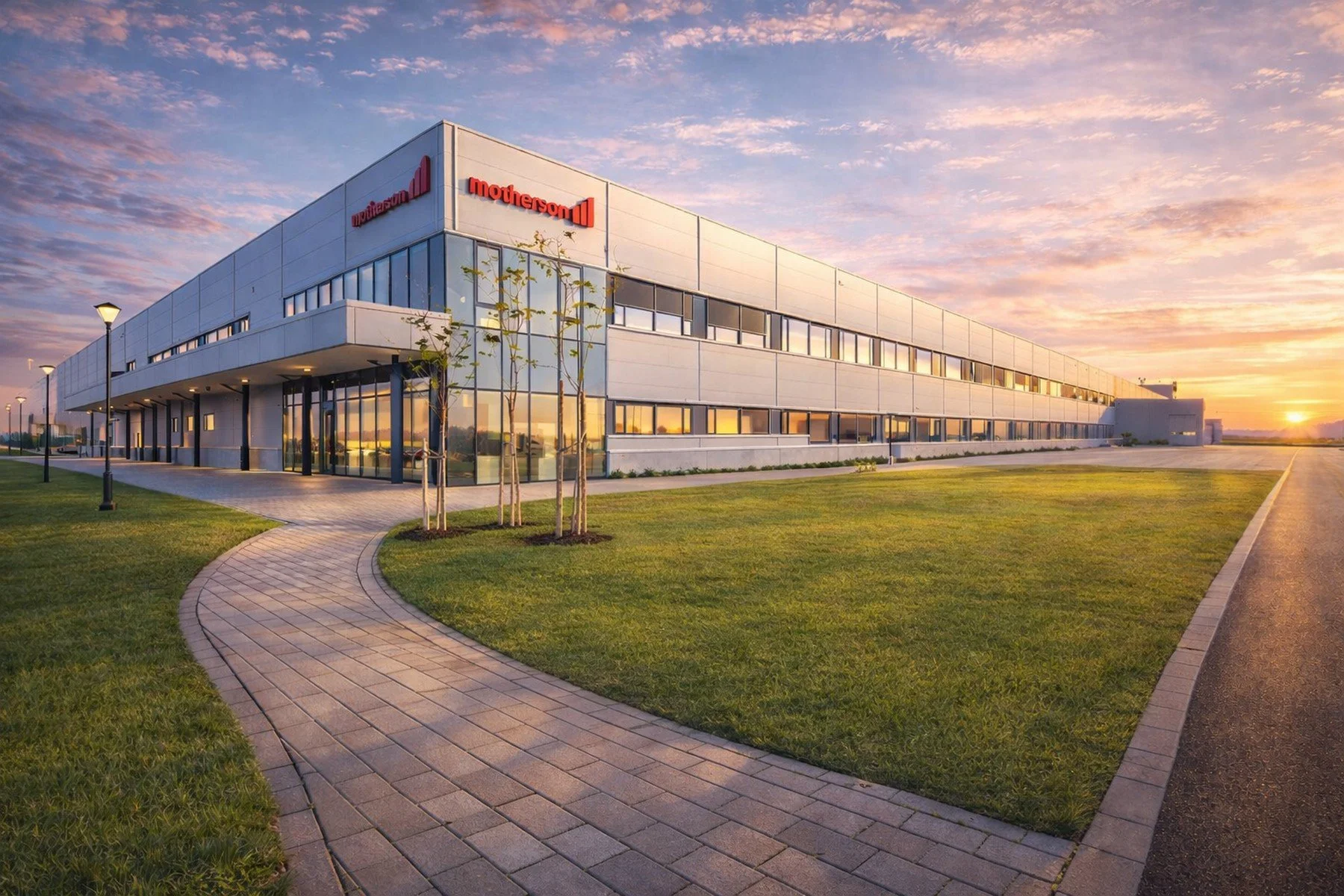
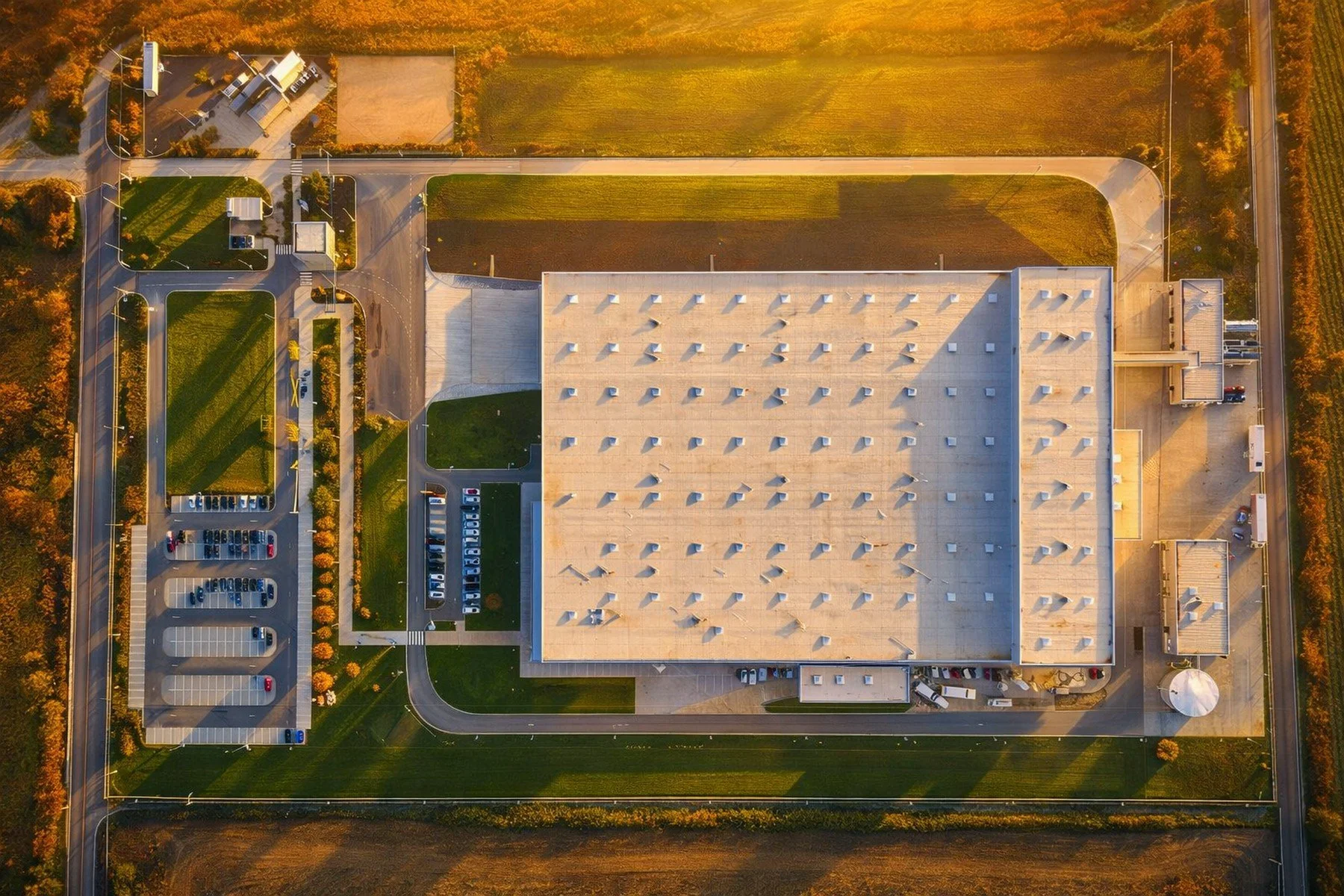
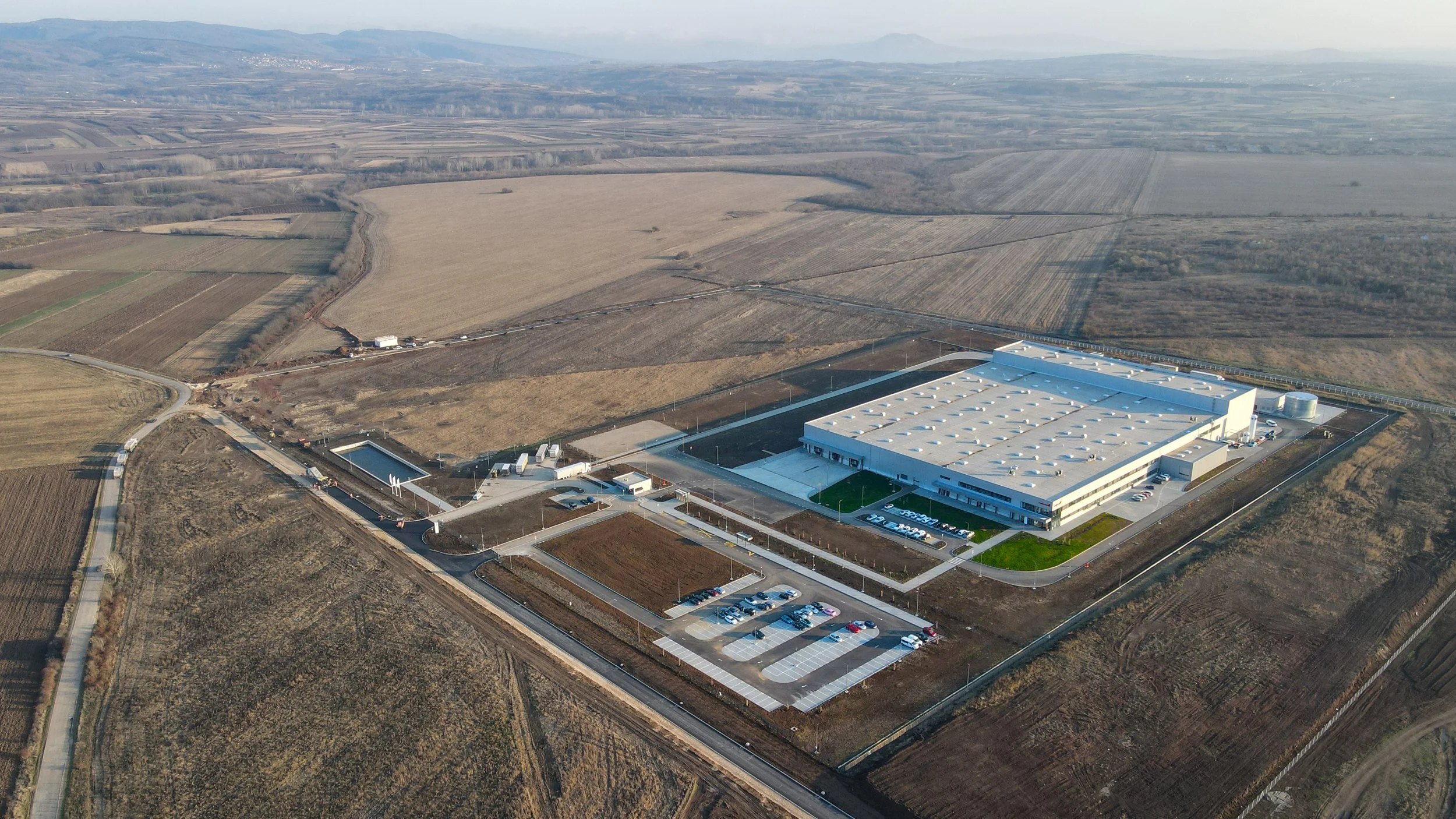
The answer to this question can be found in a new complex for the production of automotive interior parts. Covering some 25,000 m2 in the Dobričevo industrial park close to Ćuprija, it consists of a production hall with an administrative section and accompanying infrastructure.
What makes this building special is the application of the Vaastu principle of design, construction and exploitation. The ancient Vaastu science was created around 5,000 years ago in what today is India. It recognises subtle and powerful influences of nature as an integral part of our immediate surroundings. Vaastu means "the art of building in harmony with nature." The Vaastu science and art of protection and healing help to alleviate or neutralize nature’s negative influences and to strengthen the positive ones wherever we live and work. It achieves this by harmonising a range of spatial qualities invoking the energy of the laws of nature and the universe. The goal is to balance opposites and achieve harmony and prosperity, resulting in better communication and greater learning.
To a casual observer, the building is a typical modern construction designed for industrial production with a concept and expression that suits its purpose. It is formed with straight and "clean" lines, regular geometric shapes, unremarkable in its colour palette of white and grey. Everything points to recognizable principles of planning and design dedicated to a production process. Both inside and out, materials such as reinforced concrete, thermally insulated prefabricated metal cladding panels, prefabricated AB structural elements and floating steel canopies illustrate the modernity of the building under construction.
The eye of a more attentive observer, however, will not miss elements that deviate from standard principles of design and application of technical solutions. These are reflected in the